Cart
0
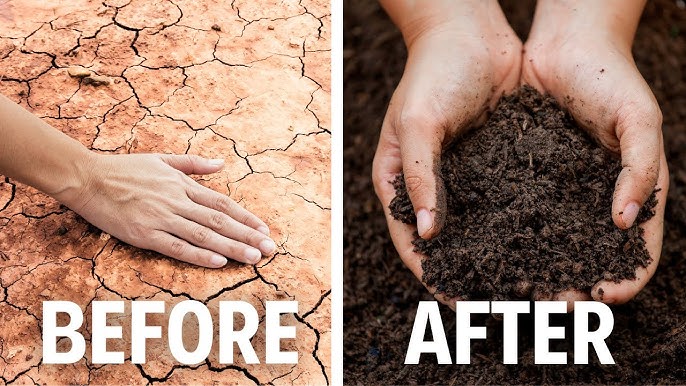
Restoring our planet’s natural soil and biology is one of the best gifts we can give to future generations—and the good news is, it’s easier than you might think! Healthy soil is the foundation of life, supporting ecosystems, growing our food, and storing carbon to help fight climate change. But with industrial farming, deforestation, and pollution, much of our soil is degraded. The great part? There are simple, effective ways we can bring it back to life, even in our own backyards.
Here’s a quick guide to some of the best and easiest ways to restore soil health and support the biology beneath our feet:
1. Composting: Nature’s Recycling Program
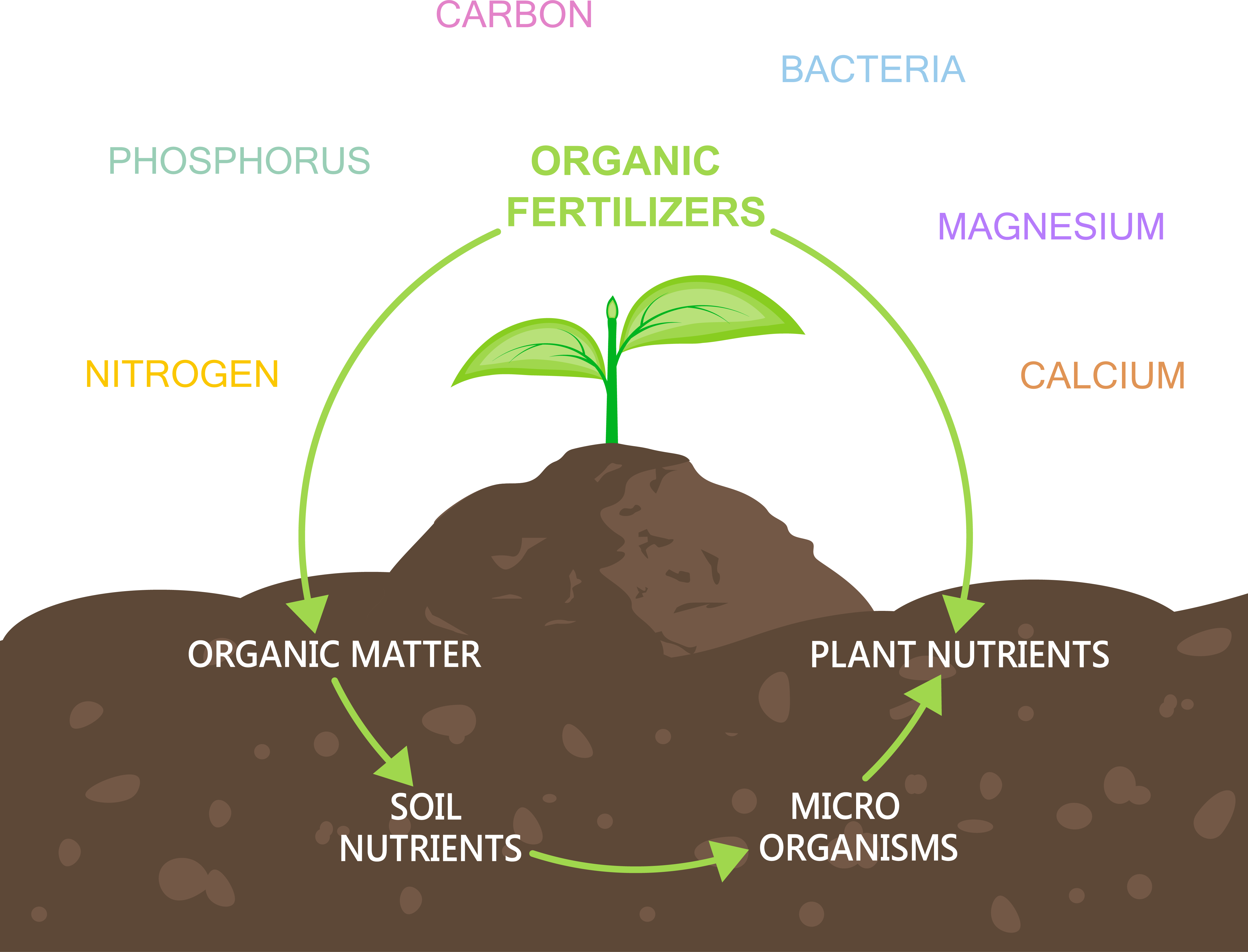
Composting is like magic for soil—it takes kitchen scraps, leaves, and yard waste and turns them into rich, dark soil teeming with nutrients. By composting, you’re not only reducing landfill waste but also feeding your soil with organic matter that improves its structure, retains water, and promotes healthy microorganisms.
How to start?
- Keep a compost bin in your yard or even indoors if you’re short on space.
- Toss in fruit and veggie scraps, coffee grounds, eggshells, and yard waste like leaves and grass clippings.
- Turn it occasionally to aerate, and in a few months, you’ll have fresh compost to sprinkle onto your garden beds!
2. Mulching: A Blanket for the Soil
Mulch is an easy way to protect and nourish the soil. Think of it as a cozy blanket that helps prevent erosion, keeps weeds at bay, retains moisture, and slowly breaks down to feed the soil.
Best options for mulch:
- Organic materials like wood chips, straw, or shredded leaves.
- Spread it over garden beds, around trees, or on paths—just keep it a few inches away from plant stems to prevent rot.
3. No-Till Gardening: Let the Soil Breathe
Traditional tilling can disturb the natural structure of soil, breaking up the habitat for essential microorganisms and fungi. No-till gardening leaves the soil intact, allowing beneficial organisms to thrive and reducing erosion.
How to do it?
- Instead of tilling, add layers of compost or mulch directly on top of your soil.
- Plant directly into this rich layer, or use a technique called "lasagna gardening," where you build up layers of organic materials (like compost, leaves, straw) over time.
4. Plant Cover Crops: Nature’s Healers
Cover crops like clover, rye, or legumes are grown not for harvesting but to improve soil health. They help prevent erosion, add organic matter, and, in the case of legumes, fix nitrogen into the soil—making it more fertile for future plants.
Why it works:
- Cover crops improve soil structure and boost biodiversity underground.
- They also provide food for beneficial insects, which in turn can help pollinate crops or control pests.
5. Add Biochar: Superfood for Soil
Biochar is a type of charcoal that, when added to soil, enhances its ability to retain water and nutrients. It also provides habitat for beneficial microbes and can help sequester carbon, making it an eco-friendly option for soil restoration.
How to use it:
- You can buy biochar at garden stores or make it yourself by burning organic matter (like wood or crop residues) in a low-oxygen environment.
- Mix it into your soil or compost for long-lasting benefits.
6. Plant Native Species: Work with Nature, Not Against It
Native plants are perfectly adapted to the local environment, making them low-maintenance and beneficial to local wildlife. Their deep root systems help prevent erosion, improve water infiltration, and bring nutrients up to the surface.
Why go native?
- Native plants require less water and fertilizer, which means less impact on the soil.
- They support native pollinators and help restore natural ecosystems.
7. Encourage Earthworms: The Original Soil Builders
Earthworms are nature’s plowmen—they aerate the soil, help with water retention, and break down organic matter into nutrients that plants can easily absorb.
How to attract them:
- Use compost and organic matter to create a worm-friendly environment.
- Avoid using chemical pesticides or fertilizers that harm these helpful creatures.
8. Avoid Synthetic Chemicals: Keep It Natural
Chemical fertilizers and pesticides may give short-term boosts, but they harm the delicate web of life in your soil. These chemicals can kill beneficial organisms, contribute to pollution, and degrade soil quality over time.
What to do instead:
- Opt for organic fertilizers and pest control methods, such as compost teas or companion planting.
- By nurturing the natural balance of soil biology, you’ll create a healthy environment that supports resilient plants and ecosystems.
9. Practice Crop Rotation: Mix Things Up
In large-scale farming and even in home gardens, growing the same crop in the same spot year after year can deplete the soil of specific nutrients and make it more prone to pests and disease. Crop rotation helps keep the soil balanced.
How to rotate crops:
- Alternate plants with different nutrient needs—like legumes (which fix nitrogen) with heavy feeders like tomatoes or corn.
- This simple strategy keeps your soil healthy and productive.
10. Water Wisely: Less Is More
Over-watering can compact soil, reduce oxygen availability, and wash away nutrients. Instead, aim for deep, infrequent watering to encourage plants to develop strong roots.
Smart watering tips:
- Use drip irrigation or soaker hoses to deliver water directly to the soil where it’s needed.
- Water in the morning or evening to reduce evaporation.
Conclusion: A Little Effort, Big Results
Restoring our planet’s natural soil doesn’t have to be complicated or expensive. Whether you start composting, switch to no-till gardening, or plant a few cover crops, these small, everyday actions can have a massive impact on soil health. By working with nature—feeding it organic matter, avoiding chemicals, and protecting its structure—we’re not only healing the earth but also helping it continue to support us for generations to come.
So, get out there, play in the dirt, and watch the magic of healthy soil unfold!